 Welcome to the United Nations
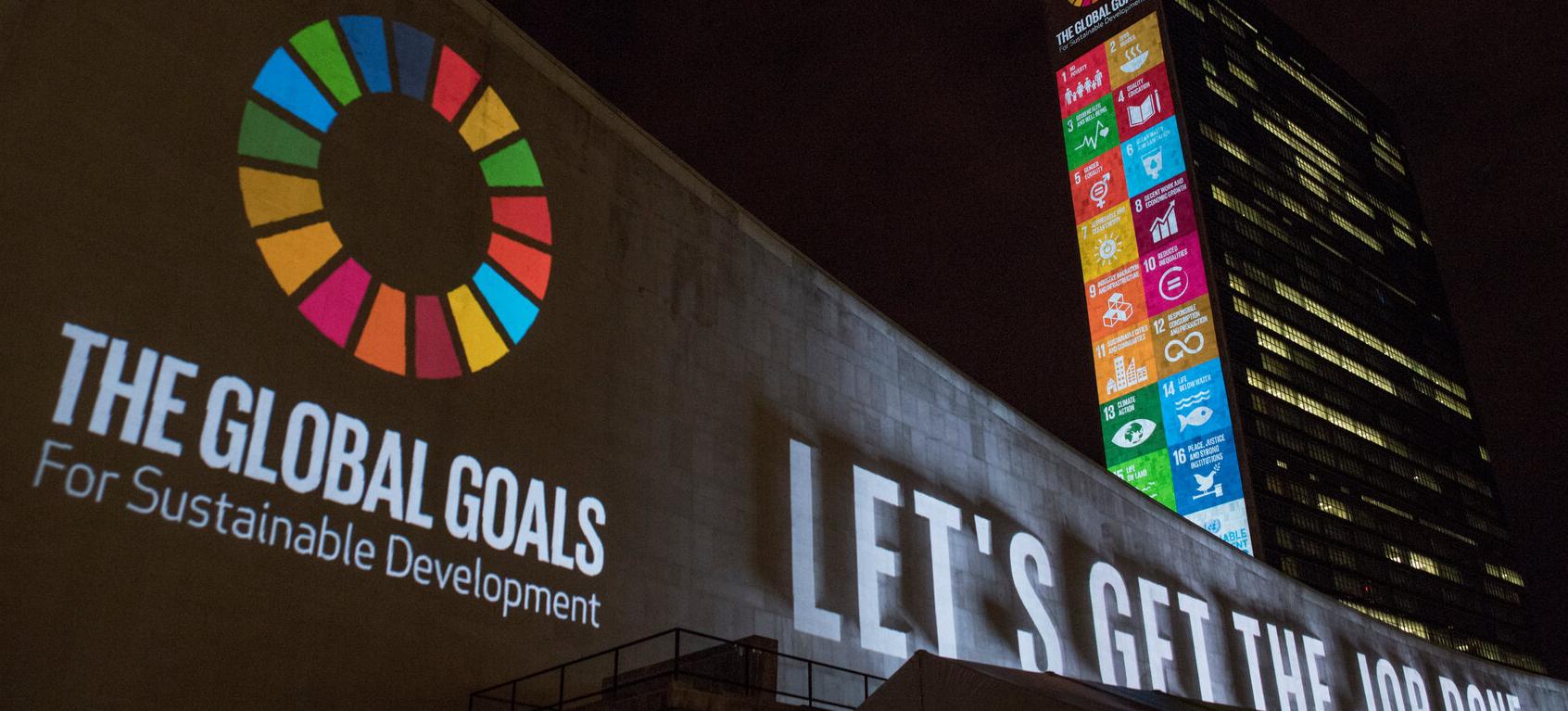
SDG 8 remains a cornerstone of the 2030 Agenda, promoting sustained, inclusive and sustainable economic growth, full and productive employment and decent work for all. However, at the midpoint of the Decade of Action, SDG 8 is among the most off-track goals. The UN Expert Group Meeting on SDG 8, held from 6-7 February 2025, highlighted slow or regressive progress on critical targets such as youth employment, informality, labour rights, and child labour. Economic growth remains decoupled from decent job creation and productivity gains. The meeting emphasized that incremental reforms are no longer sufficient; systemic, rights-based, and inclusive transformations are urgently needed.
This session will explore how SDG 8 can drive a new generation of coherent policies and partnerships—rooted in macroeconomic alignment, universal social protection, just digital and green transitions, and decent work across global supply chains. The discussion will also address how SDG 8 interlinks with gender equality, climate action, poverty eradication, and intergenerational inclusion. The session will follow an interactive discussion format.
Proposed guiding questions:
- What are the most urgent barriers to achieving SDG 8, including informality, inequality, and weak labor protections—and how can structural reforms and rights-based approaches accelerate progress?
- How can employment and decent work be repositioned as central objectives in macroeconomic, fiscal, industrial, and trade policies, particularly in the context of global supply chains and economic transitions?
- What policies and governance frameworks are needed to ensure that digitalization, climate action, and green and just transitions create inclusive and decent work opportunities for all?
- How can social protection, education, and skills systems be expanded and adapted to support informal, platform, youth, and older workers through life-course and gender-responsive approaches?
- What financing innovations, data systems, partnerships, and accountability mechanisms are required to support implementation of SDG 8 and align science, technology, and investment with decent work and equity goals?
